










Pedro Pascal: De Chile a Hollywood, la historia de un actor internacional
Pedro Pascal, cuyo nombre completo es José Pedro Balmaceda Pascal, nació el 2 de abril de 1975 en Santiago de Chile. Desde temprana edad, mostró un gran interés por la




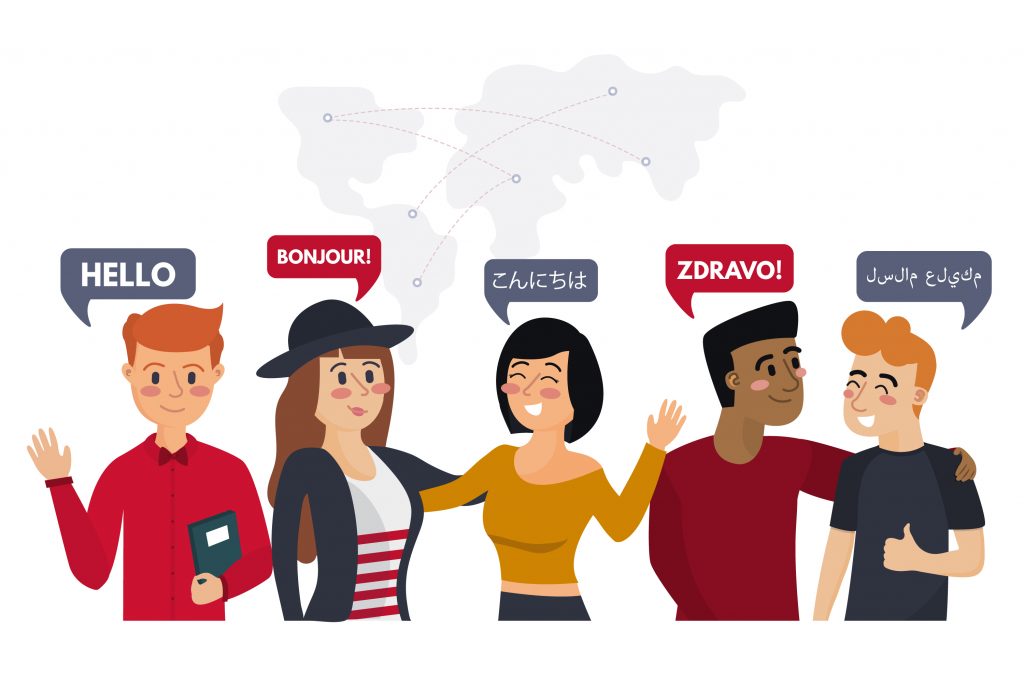
How Language Shapes Our Thinking: Examples from Different Countries
When we think about language, it is often reduced to a simple tool: a way to label objects, convey information, or share feelings. Yet, decades of research suggest that the language we speak does far more than facilitate communication—it influences the very way we perceive reality, categorize experiences, and even make decisions. In some cases, it can guide our attention toward what is most important in our surroundings, while in others it changes how we conceive of time, space, or personal responsibility. Consider how in Japanese and Korean, levels of politeness are woven into the grammar itself, shaping everyday interactions by requiring speakers to pay attention to social hierarchy. Or reflect on how speakers of Russian, who have multiple distinct words for different shades of blue, tend to distinguish between those hues more quickly than English speakers. Even the way languages treat time differs: Mandarin often employs vertical metaphors for time—talking about the past as “up” and the future as “down”—while English typically uses horizontal metaphors, with the past “behind” and the future “ahead.” These differences may seem subtle, but they accumulate to produce distinctive mindsets across cultures. Far from being arbitrary, words and structures continually guide our thought patterns, influencing how we see others, how we experience emotions, and how we interpret the world around us. By exploring these examples from diverse countries, it becomes clear that language is not simply a mirror of thought, but rather a lens that actively shapes what enters our minds and how we judge its meaning. Character count: 1591



Why Different Cultures Perceive Time Differently and How It Affects Communication
Time is often described as a universal constant—it moves forward second by second, unchanging for everyone. Yet, how people understand and value time can differ dramatically across cultures, shaping the way individuals interact, build relationships, and conduct business. In some societies, time is viewed as a finite resource, something linear and measurable that must be managed with precision. Meetings start on schedule, deadlines are non-negotiable, and efficiency is prized as a sign of professionalism and respect. In other cultures, time is seen as more fluid, cyclical, and deeply connected to human interactions. What matters most is not whether an appointment begins at the exact minute but whether the people involved feel a sense of connection and trust. This divergence in perception often creates friction when individuals from different cultural backgrounds communicate with one another. A person accustomed to strict punctuality may see flexibility as disorganization or a lack of seriousness, while someone from a culture with more relaxed views of time may interpret rigid scheduling as cold or overly transactional. The challenge, then, lies not in deciding whose perspective is “correct” but in recognizing that both are valid expressions of cultural values. Understanding these nuances can help reduce misunderstandings, improve collaboration in multicultural teams, and foster greater respect in cross-cultural exchanges. By acknowledging that the language of time is not universal but culturally shaped, individuals and organizations can learn to approach communication with empathy and adaptability.






How Recommendation Algorithms Work in Digital Services and Why They Sometimes Fail
Recommendation algorithms have quietly become one of the most influential forces shaping how we consume digital content. From the movies we stream, to the products we purchase online, to the music playlists or news feeds we scroll through, these systems are designed to filter vast oceans of information into a handful of personalized suggestions. At their core, recommendation engines rely on patterns—whether through collaborative filtering that looks at the behavior of similar users, content-based filtering that examines the attributes of a product or media item, or increasingly, hybrid approaches powered by machine learning. The objective is simple: save users time, keep them engaged, and ultimately increase satisfaction while also driving business goals such as revenue and retention. Yet careful observers know that these mechanisms are far from perfect. One of the most common issues arises from what experts call the “cold start problem,” where new users or items carry too little data to allow meaningful recommendations. This can lead to generic suggestions that feel more frustrating than helpful. Another failure point is overfitting to user history, where an algorithm serves endless variations of the same type of content, creating the echo chambers and filter bubbles often criticized in discussions of social media. Even more subtle problems emerge when algorithms unintentionally reinforce biases present in the data they are trained on, amplifying stereotypes or skewing visibility toward certain items at the expense of others. As digital services continue to evolve, the challenge lies in striking the right balance between personalization and diversity, ensuring that recommendations feel both accurate and refreshing rather than narrow and repetitive.